ADRO & ADMR Analysis: Strategic Shift & Green Energy Transition
I have been observing Adaro Energy (ADRO) for a long time, as it is one of Indonesia’s coal mining companies with relatively stable financial performance despite the cyclical fluctuations in coal prices. ADRO is also among the coal producers with the largest reserves in Indonesia, which has long supported its operational resilience.
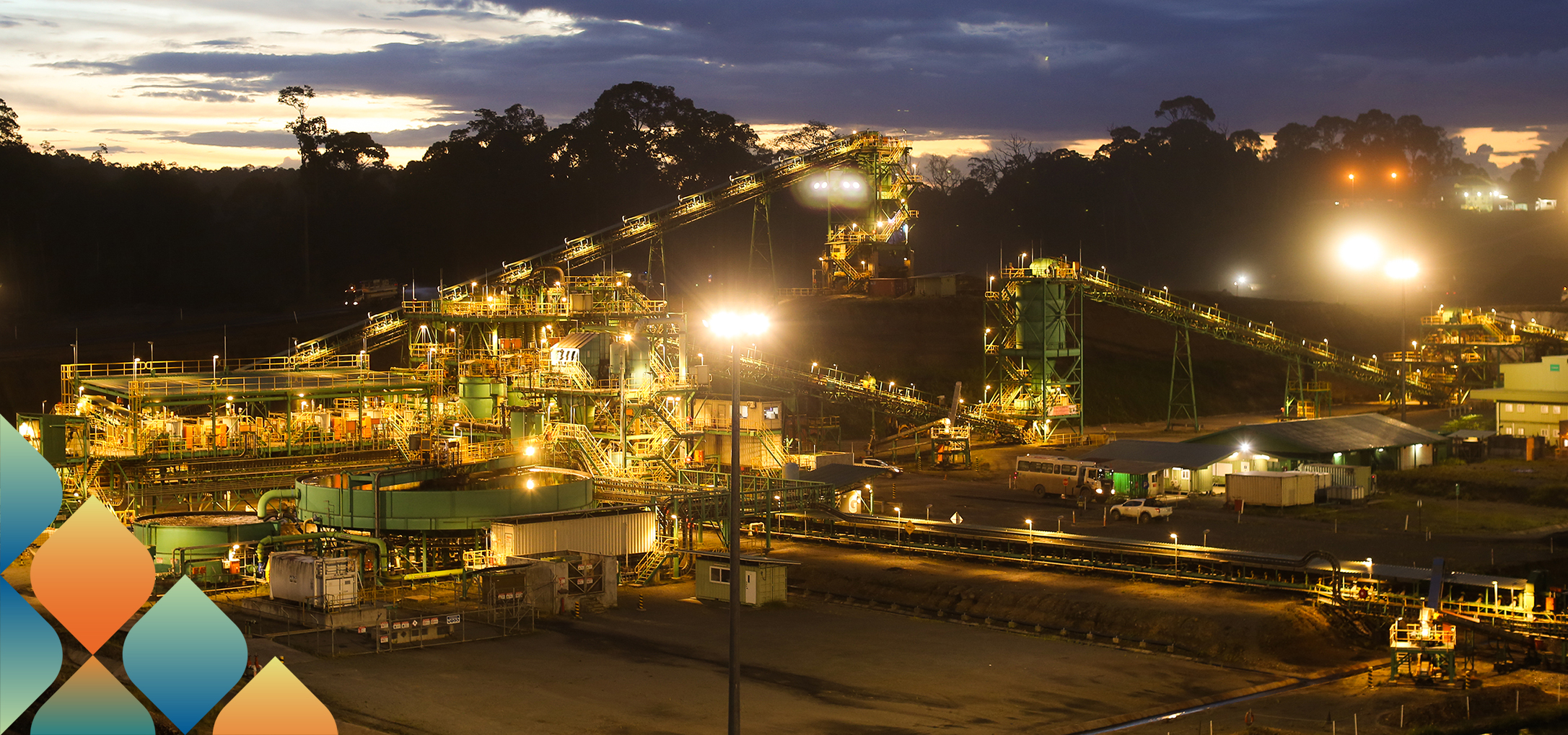
I first purchased ADRO shares in 2019 at around IDR 1,300, but I sold them relatively quickly. I no longer remember the exact reason, although it was likely because I wanted to reallocate capital to another company that I considered more attractive at the time.
Following the COVID-19 outbreak in 2020, ADRO’s financial performance improved significantly, driven by a sharp surge in global coal prices. I only began paying attention to ADRO again and gradually reaccumulated the stock in mid-2024, after learning about the company’s long-term plan to transition toward green energy. This strategy aims to anticipate the eventual depletion of coal reserves while aligning with Indonesia’s Net Zero Emissions 2050 commitment.
An interesting development occurred at the end of 2024, when ADRO’s share price surged nearly 100%, fueled by market speculation surrounding the potential IPO of its green energy business. However, instead of spinning off the renewable segment, ADRO ultimately divested its majority stake in Adaro Andalan Indonesia (AADI)—the company’s primary profit contributor at the time, which operated its thermal coal mining business.
To compensate shareholders, ADRO distributed an extraordinarily large dividend, which was widely perceived as an opportunity for investors to participate in AADI’s IPO. AADI was listed at a relatively attractive valuation, and the IPO proved highly successful. Shareholders who reinvested their ADRO dividends into AADI shares were able to realize gains of nearly 100%. Interestingly, during this period, ADRO’s share price declined sharply.
Personally, I chose to average down my ADRO position, viewing the price correction as an opportunity to accumulate shares of a company that was repositioning itself for a cleaner and more sustainable energy future.
In mid-2025, I decided to sell my entire AADI position, realizing a profit of approximately 50%, and reallocated the proceeds toward further accumulation of ADRO shares, despite carrying an unrealized loss of around 30% at the time. In addition, I also began gradually investing in ADMR, whose valuation appeared relatively more premium compared to ADRO.
Currently, ADRO holds approximately 85% ownership in ADMR and around 15% in AADI. As a result, ADRO’s main profit engine has shifted from AADI to ADMR, which focuses on high-calorie coal. Beyond coal, ADMR is also developing an aluminum smelter project in North Kalimantan. The smelter will be supplied with electricity generated by hydropower plants owned by ADRO, creating vertical integration between energy generation and downstream aluminum production.
This indicates that ADRO’s future revenue will be increasingly dependent on ADMR, while its renewable and green energy ventures—although strategic—are not yet meaningful contributors to earnings.
As of 6 January 2025, ADMR’s share price has risen significantly, driven by expectations ahead of the aluminum smelter’s operational phase. In my view, the long-term outlook for Adaro Energy remains highly promising, provided that the company continues to be managed prudently and strategically. For this reason, I have decided to continue holding both ADRO and ADMR shares.

This reflects my personal investment decision and perspective. It is not intended as investment advice or a recommendation to buy, sell, or hold any securities. Investing in the capital market involves significant risks, including the potential loss of capital. Each investor should conduct their own research and make decisions according to their individual risk tolerance and financial circumstances.
“If you’re not willing to react with equanimity to a market price decline of 50%, you’re not fit to be a common shareholder.”
— Charlie Munger